If you’ve stumbled on clusters of small, bright pink eggs in your garden, they may look festive or even harmless. But be careful—these pink eggs are actually the work of the invasive apple snail, a species that poses a serious threat to local ecosystems. Originating from South America, these snails have spread globally, wreaking havoc on plants, crops, and natural habitats wherever they establish themselves.
The Apple Snail: A Giant Among Freshwater Snails
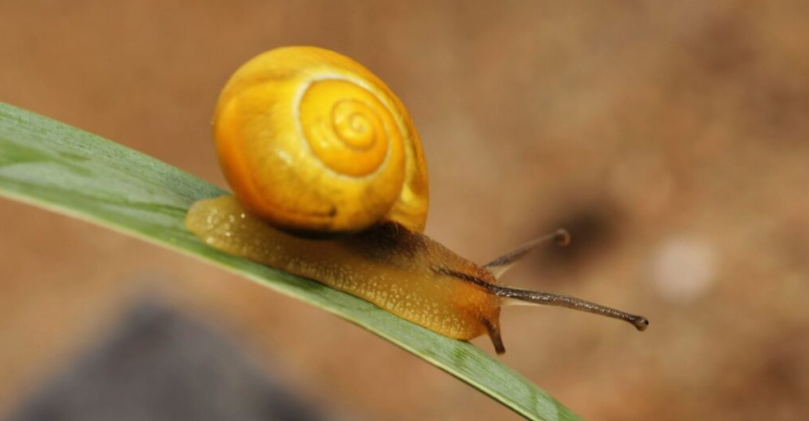
Apple snail, a freshwater mollusk, is much larger than the snails you might typically find in a garden. With a shell that can reach up to ten centimeters in width, the apple snail is an impressive, if intimidating, sight. They thrive in wet environments such as ponds, lakes, and swamps, where they can easily spread, especially in warmer climates.m
Apple snails lay clusters of pink or orange eggs, each around 2-3 millimeters in diameter. These eggs often appear in groups of 400 to 600, a testament to the prolific breeding habits that make the apple snail such a successful—and dangerous—invader.
Why Are Apple Snails So Invasive?
Apple snails are classified as one of the world’s top 100 most invasive exotic species. They own an astounding ability to adapt, reproduce, and thrive in various environments, thanks in part to global warming. Originally confined to the warm, humid areas of South America, they have since spread to North America, Europe, and Asia, where they are now well-established in several countries.
These snails not only blend into new environments; but they dominate them. Apple snails are voracious eaters, consuming a wide range of plants. In regions like Southeast Asia, where they were introduced in the 1980s, apple snails are notorious for devastating rice fields, causing significant agricultural losses. Given their rapid reproduction and resilience, they can easily outcompete local species for resources, leading to a loss of biodiversity.