She recast the entire debate as a moral inversion: the old order, with its low sticker prices and invisible casualties, versus a new one that dared to admit its costs upfront. Tariffs, in her telling, became a kind of economic triage—painful, targeted, and meant to stop a deeper bleed. The promise to cut taxes on overtime, tips, and Social Security benefits wasn’t a distraction, but the other half of the bargain: if workers were asked to shoulder disruption, they would also be first in line for relief. It was a vision that framed disruption as defense, confrontation as caretaking. Whether that argument convinced anyone was almost beside the point. What lingered was the unsettling possibility that the real betrayal hadn’t been a shift in policy at all, but the decades spent pretending the status quo was ever free.

Related Posts

Born Normal. Became a Monster
He entered the world already erased, filed away as “Unknown,” as if his existence were an error to be corrected. In that house of half-truths, he learned…
Silent Letters, Hidden Grief
For twelve years, I carried my grief like a banner and my anger like a shield, convinced I was the only one brave enough to stand in…

Forgotten Scars, Hidden History
I asked my mother about the strange ring on her arm, expecting some clumsy childhood story, a fall, a surgery, anything ordinary. Instead, she named a disease…
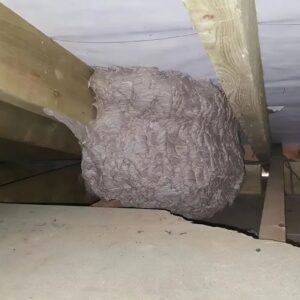
Silent Attic, Deadly Secret
What waited in the shadows was not a nest but an execution ground, engineered by instinct and hunger. Asian hornets had built their fortress above his head,…

Haunted By the Daughter Lost
He once believed success would drown out the sound of what he’d done. Awards, headlines, and the rush of being wanted were easier to hold than a…

Silent Confession In A Station
She hadn’t come to admit to some childish prank. She believed her crime was silence, that watching her father hurt her mother and doing nothing made her…