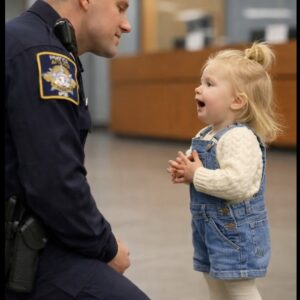
What grips you isn’t the bread at all, but the moment you realize your eyes are not neutral witnesses. You’re forced to confront the fact that “seeing” is less like taking a photograph and more like writing a story on top of one. Memory, mood, and expectation lean over your shoulder, quietly revising the scene before you even know it.
That’s why a silent, static picture can feel louder than a video. It doesn’t scream for attention; it waits for you to bring your own. Look once and you notice only shape; look again and you feel unease, or comfort, or nostalgia. The image becomes a mirror for your shifting inner world. Its real power is not in what it shows, but in what it reveals: that reality is shared, yet never identical, and your perspective can still be taught to look again.