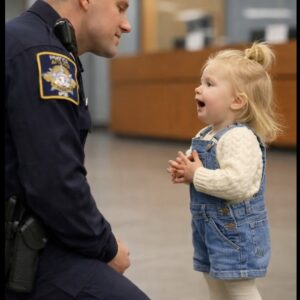
No one set out that day planning to be the person who made a difference. They were simply close enough to notice what others might have dismissed: a slumped shoulder, a fading color in someone’s face, a sentence cut short. Doubt pressed down on every instinct, but they moved through it—asking if help was needed, calling the number they half-remembered, trusting that being wrong was better than being silent.
In the days after, the story people told each other wasn’t about heroics. It was about how ordinary it all felt, and how that ordinariness made it terrifying. They realized that readiness isn’t a speech or a slogan; it’s the quiet decision to stay with someone until you’re sure they’re safe. What remains now is the knowledge that the smallest interruption—a question, a call, a hand on a shoulder—can redraw the line between loss and another chance.