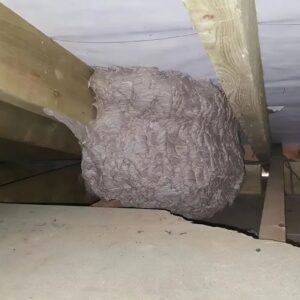
We live as if color alone could sustain us, forgetting that sound—small, wing-borne, easily drowned—is what turns blossoms into food, seeds, and shelter. Bees and other pollinators are the quiet engineers of abundance, and when we poison fields, pave edges, and sterilize gardens into flat green carpets, their work falters. The collapse is rarely dramatic. It arrives as a slow thinning: fewer berries on hedges, fewer birds at dawn, fewer wild corners that buzz and rustle.
Yet the ending is not fixed. A single balcony, crowded with native flowers, can become a rest stop on a fractured migration. A scruffy strip of clover and dandelion, spared the mower, can feed a hundred visits. Choosing organic, defending old trees, planting hedgerows instead of fences—these acts accumulate. Street by street, the silence loosens. One morning, you pause, hearing it: a low, woven murmur, and realize the world is mending itself around you.