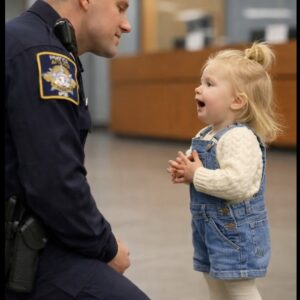
By morning, the chalk hopscotch squares near the curb had blurred under the weight of footsteps and tears. Parents held their children closer, counting heads at the bus stop twice, then again, as if vigilance alone could rewrite the night. The house at the center of it all stayed shuttered, blinds drawn against the curious and the kind alike, holding its secrets in a silence louder than sirens.
Days later, the official statement arrived—clinical words attempting to cage an uncageable grief. A rare medical crisis, sudden and invisible, they said; no crime, no villain, no one to blame. The community exhaled, but the relief was thin, edged with the uneasy knowledge that sometimes the world can shatter without warning. In the glow of weathered candles, they chose a different answer: to remember the child not by how their story ended, but by every bright, ordinary moment that came before.