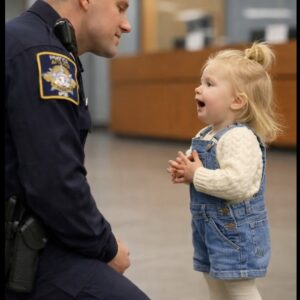
Their boots may never strike a detainee, yet the symbolism lands first. Immigration detention, long justified as a civil process, suddenly carries the posture of a forward operating base. For people who fled military checkpoints, paramilitaries, or secret police, the familiar outline of a rifle sling or a patch on a shoulder can detonate memories they crossed continents to escape. The setting hasn’t changed on paper, but the emotional temperature spikes: this no longer feels like bureaucracy; it feels like a battlefield without gunfire.
What happens next will define whether this becomes a turning point or a cautionary footnote. Transparent rules, narrow missions, and constant independent oversight could keep the deployment from mutating into something harsher and more permanent. Yet safeguards mean little if the voices of those living under these watchful eyes are sidelined. When fear is treated as collateral, policy may succeed by its own metrics while quietly teaching that seeking safety is indistinguishable from stepping into a war zone.