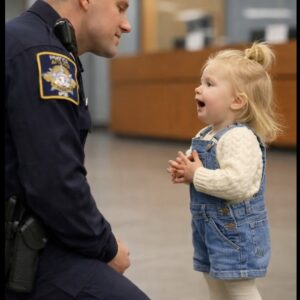
They watched her move and called it history, as if a few measured steps could settle every hidden argument the nation had been avoiding. In that corridor, she became less a person than a mirror, reflecting back the anxieties, loyalties, and fractures of those who stared too hard. Her refusal to perform outrage, allegiance, or comfort forced a different kind of reckoning: without a clear script, people revealed their own.
Those who demanded symbolism exposed their hunger for certainty; those who dismissed it all exposed their fear of caring. When the cameras finally cut away, nothing about her had truly changed—no revelation, no scandal, no secret code unlocked. What had shifted was the crowd, suddenly aware that the stories they’d written on her surface were, and had always been, about themselves. In trying to read her, they had inadvertently read their own reflec